
Paid Media
LSA vs. PPC for Plumbers: Where Should the Next Dollar Go?
Local Services Ads and Google Ads solve different problems for plumbing companies. Here's how the two channels actually differ, which one to fund first, and why the best accounts run both.
By TopServ Digital · Published · 3 min read
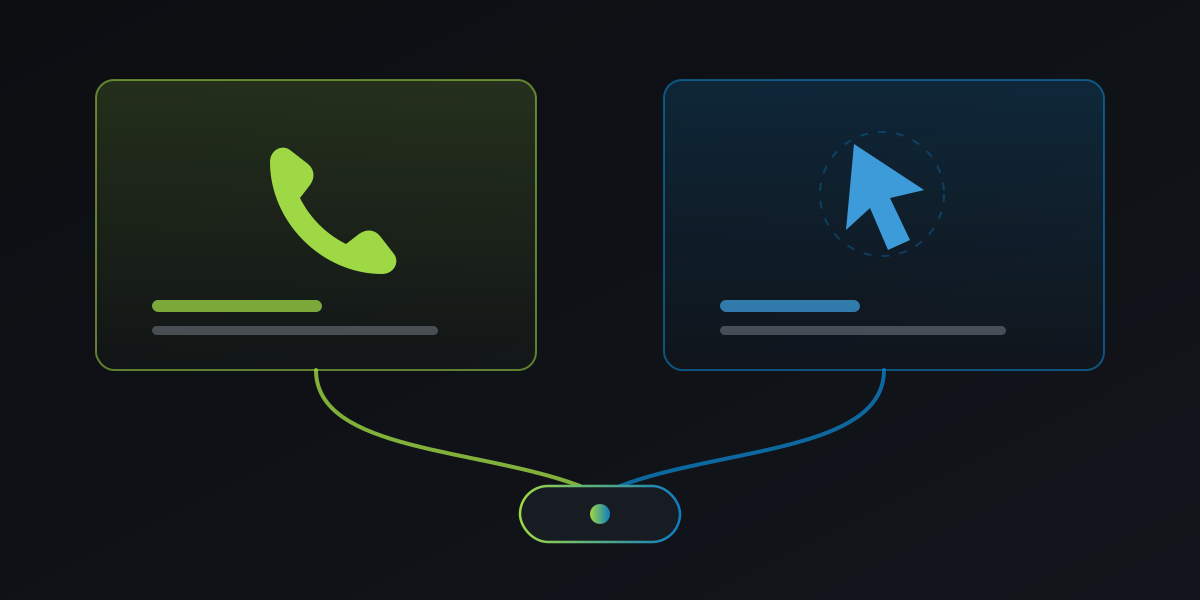
Plumbing owners ask us this constantly: "I've got budget for one — Local Services Ads or Google Ads?" It's the right question asked the wrong way. The two channels charge differently, rank differently, and capture different buyers. Fund them in the wrong order and you'll pay too much per booked job; coordinate them and they reinforce each other.
The short answer
Local Services Ads (LSA) first for emergency service work. Google Ads (PPC) first for high-ticket planned work. Most plumbing companies past roughly $1M in revenue should run both, coordinated so they don't cannibalize each other.
How the two channels actually differ
| Local Services Ads | Google Ads (PPC) | |
|---|---|---|
| You pay for | Leads (calls/messages) | Clicks |
| Placement | Very top of the page, above everything | Below LSA, above organic |
| Trust signal | Google Guaranteed badge + background check | None built in — your ad and landing page do the work |
| What ranks you | Review count, review recency, responsiveness, proximity | Bid, quality score, ad and landing-page relevance |
| Creative control | Almost none | Full — headlines, extensions, landing pages, video |
| Best at capturing | "Water heater leaking NOW" emergency intent | Researching buyers: repipes, remodels, comparisons |
| Junk-lead defense | Dispute process (must be actively managed) | Negative keywords, call filtering |
Why LSA wins the emergency call
When water is on the floor, the homeowner calls one of the first two or three listings. LSA sits above everything else on the page, carries Google's own trust badge, and charges you only when someone actually contacts you. For emergency-heavy plumbing work, it's the highest-intent placement money can buy.
The catch: LSA is not "set and forget." Your rank inside the LSA unit depends heavily on review velocity and response speed — and Google will happily bill you for spam, solicitors, and out-of-area calls unless someone disputes them every week. Undisputed junk leads are the silent tax on most self-managed LSA accounts.
Why PPC wins the planned job
Nobody impulse-buys a $15,000 repipe. Those buyers search, compare, click, read, and come back. That journey is where PPC's control matters: dedicated landing pages per service, ad copy that pre-qualifies, retargeting for visitors who didn't convert, and — the part most agencies skip — video creative that makes your company the one they remember. LSA gives you none of those levers.
Running both without cannibalizing
Coordination is where accounts leak: if your PPC campaign bids on the same emergency keywords your LSA already owns, you're paying twice for the same buyer. The pattern that works:
- LSA owns emergency intent — repairs, leaks, no-hot-water searches.
- PPC owns project intent — water heaters, repipes, remodels, financing searches.
- Retargeting owns the undecided — everyone who clicked but didn't book.
- One tracking layer under all of it — every call and form tied to a booked job, so budget moves toward whichever channel booked work cheapest this month.
What this looks like in practice
This is exactly how we run paid media inside TopServ plans — LSA and PPC managed together, junk leads disputed weekly, and reporting in booked jobs rather than clicks. See the Local Services Ads service and Paid Advertising service pages for what's included, or the plumbing industry page for the full plumbing playbook.
FAQ
Can a new plumbing company skip PPC and only run LSA? Early on, yes — LSA plus a strong Google Business Profile is the leanest paid setup for a young company living on service calls. Add PPC when you want project work (water heaters, repipes) or when LSA lead volume caps out in your market.
Why did my LSA cost per lead go up? Usually one of three things: review velocity slowed, response time slipped (missed calls hurt rank), or nobody disputed junk leads that month. All three are management problems, not channel problems.